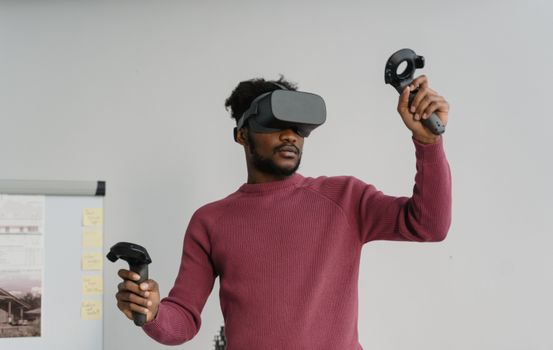
Blockchain technology is revolutionizing the gaming industry, introducing new dimensions of ownership, security, and player empowerment. Yet, as blockchain gaming platforms multiply, one factor emerges as a decisive differentiator: the quality of the user interface (UI). While blockchain’s technical backbone is crucial, it’s the UI that shapes first impressions, drives adoption, and sustains engagement. In a space where innovation meets complexity, creating an attractive and user-friendly interface is not just beneficial—it’s essential. This article explores how to design compelling UIs for blockchain gaming platforms, focusing on practical strategies, proven principles, and real-world examples.
The Unique UI Challenges of Blockchain Gaming Platforms
Blockchain gaming platforms stand apart from traditional games in several ways. They combine decentralized ledgers, token economies, and often, complex wallet integrations. These features promise transparency and player control but also introduce usability challenges.
A 2023 DappRadar report highlighted that 62% of new users on blockchain gaming platforms cite confusion with wallet connection and token transactions as major hurdles. Moreover, only 43% of gamers familiar with traditional titles feel comfortable navigating blockchain-based games.
Key challenges include:
- $1: New users must often create wallets, sign transactions, and understand tokenomics, which can be intimidating. - $1: Blockchain’s transparency can overwhelm users with too much data or technical jargon. - $1: UI must guide users through secure actions (like signing transactions) without creating fear or friction. - $1: The technology and user expectations evolve rapidly, requiring interfaces that are flexible and future-proof.Understanding these challenges is the first step toward designing UIs that make blockchain gaming accessible, engaging, and delightful.
User-Centered Design Principles for Blockchain Gaming
Effective UI design starts with a deep understanding of user needs and behaviors. In blockchain gaming, the audience often spans crypto natives and gaming enthusiasts who may be blockchain novices.
Here are core principles to anchor your design process:
1. $1: Minimize the steps and information required to start playing. Reduce cognitive load by hiding complex blockchain details unless absolutely necessary. 2. $1: Reveal advanced features and information only as users need them. For example, introduce wallet management tools after the user completes their first in-game transaction. 3. $1: Turn the education process into a game itself. Use quests, tooltips, or interactive tutorials to guide users through wallet setup, token purchases, or NFT minting. 4. $1: Use familiar visual cues from mainstream games (buttons, icons, color schemes) to provide a sense of comfort and reduce the learning curve. 5. $1: Every blockchain action should be accompanied by clear, real-time feedback (e.g., animations, confirmations, and status updates) to build trust and clarify what’s happening behind the scenes. 6. $1: Consider users with different abilities. Ensure your design supports screen readers, offers high-contrast modes, and is navigable via keyboard.For example, Skyweaver, a popular blockchain card game, excels by blending a familiar digital card game UI with subtle blockchain integrations that are only surfaced when relevant.
Essential UI Features for Blockchain Gaming Platforms
Certain UI features can dramatically enhance the blockchain gaming experience. Here are some must-haves:
- $1: Support mainstream wallets (like MetaMask, WalletConnect, or Coinbase Wallet) and clearly indicate wallet status, balance, and transaction history. - $1: Present tokens, NFTs, and in-game assets in a visually engaging inventory. Use filters, sorting, and tooltips to help users understand asset value and utility. - $1: Offer simple, non-technical explanations of transaction fees, wait times, and errors. For example, rather than “Gas fee too low,” say, “This action needs a small network fee to complete.” - $1: Integrate chat, leaderboards, and sharing tools to foster community, a major draw for blockchain games. - $1: Ensure the UI looks and works great on desktops, tablets, and mobile devices, as 53% of blockchain gamers report using multiple devices (source: Newzoo 2023). - $1: Clearly alert users before they sign transactions or share sensitive information, using friendly but informative language.Comparing Blockchain vs. Traditional Gaming UI Approaches
The table below highlights key differences between blockchain gaming UI and traditional gaming UI, underscoring areas of special attention:
| Feature | Blockchain Gaming UI | Traditional Gaming UI |
|---|---|---|
| Onboarding Process | Wallet setup, key management, token tutorials | Username/password, basic game tutorial |
| Asset Ownership | Display NFTs, token balances, smart contract info | In-game items, usually not owned by players |
| Transaction Feedback | Real-time blockchain transaction status, gas fees | Immediate, off-chain confirmation |
| Security Interactions | Sign transactions, manage wallet permissions | Minimal, mostly account login/logout |
| Community Integration | On-chain social features, DAOs, marketplace access | Standard chat, forums, basic leaderboards |
This comparison illustrates why blockchain gaming UIs require additional layers of explanation, security, and asset management.
Leveraging Visual Storytelling and Branding
A compelling visual identity sets blockchain gaming platforms apart in a crowded market. The right design not only attracts players but also communicates trust and innovation—key for users wary of scams or technical issues.
Tips for effective visual storytelling:
- $1: Consistency builds recognition. For instance, Axie Infinity uses playful, pastel colors and rounded fonts to attract a broad audience. - $1: Unique icons and animations for blockchain-specific actions (like minting, staking, or trading) help demystify these processes. - $1: Weave blockchain elements into the game’s lore and interface. For example, represent NFTs as magical artifacts within the game universe. - $1: Subtle feedback (like coin sounds, sparkles, or avatar animations) when users complete blockchain actions makes the technology feel magical rather than intimidating. - $1: Prominently display security badges, partner logos, and audit certifications. According to a 2022 Blocknative survey, 58% of new crypto gamers say visible security cues increase their willingness to transact.Testing and Iterating for Optimal UI
Rapid iteration and user testing are crucial for UI success in blockchain gaming. The audience is diverse and the technology is evolving fast, so regular feedback loops are essential.
Best practices include:
- $1: Chart each step users take from landing on the site to playing, buying, or trading. Identify pain points and drop-off areas. - $1: Try different layouts, onboarding flows, and visual cues to see what resonates with users. For instance, test whether a one-click wallet connection increases signups compared to a multi-step flow. - $1: Use Discord, Telegram, or in-game forums to gather real-time feedback. Some platforms, like The Sandbox, host regular “UI Feedback Days” to crowdsource ideas. - $1: Monitor where users click, pause, or abandon processes. This data highlights friction points that aren’t always obvious in testing. - $1: Test on a range of devices and screen sizes to ensure accessibility and performance everywhere.A case in point: After incorporating heatmap analytics, a leading blockchain RPG discovered that 38% of users missed the “Claim Rewards” button on mobile. By enlarging and repositioning it, they increased daily claims by 27%.
Final Thoughts on Creating Attractive Blockchain Gaming UIs
The intersection of blockchain and gaming holds immense promise, but the UI is where potential becomes reality. By prioritizing user-centered design, clear communication, and engaging visuals, blockchain gaming platforms can break down barriers to entry and inspire lasting player loyalty.
As the industry matures, the most successful projects will be those that conceal technical complexity behind intuitive, beautiful interfaces. Whether you’re a developer, designer, or product manager, investing in UI is no longer optional—it’s the key to standing out in the next wave of digital entertainment.