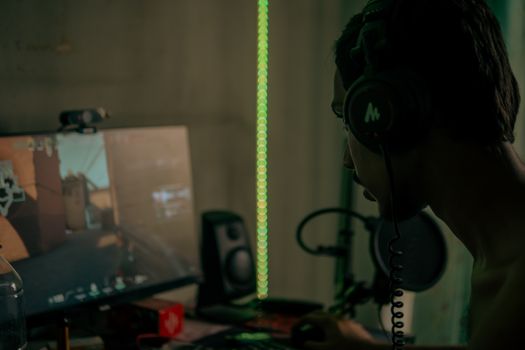
Indie game development has exploded in recent years, with over 13,000 new games released on Steam alone in 2023—a record-breaking figure that highlights both opportunities and fierce competition. For independent studios and solo developers, creating an engaging game is just the first step; ensuring that game stands out in a crowded marketplace is where true challenges begin. Effective marketing is essential, but with limited budgets and resources, indie teams must be strategic in selecting the right promotional tools. This article explores what marketing tools to use for successful promotion of indie games, offering actionable insights, key comparisons, and expert tips tailored for the indie scene.
The Unique Marketing Challenges of Indie Games
Indie game marketing is unlike promoting big-budget AAA titles. Indie teams often lack the funds for massive ad campaigns or global PR agencies. According to a 2023 Gamasutra survey, 72% of indie developers spend less than $5,000 on marketing per title. This limited budget, combined with the need to reach a global audience, means every marketing dollar must work hard.
Moreover, indie games thrive on community engagement, authenticity, and word-of-mouth. This places a premium on tools that foster direct interaction, encourage sharing, and help build lasting connections with fans.
Some of the major hurdles indie developers face include: - Visibility: With thousands of new releases each year, getting noticed is harder than ever. - Resource constraints: Smaller teams must manage development and marketing simultaneously. - Discoverability: App stores and digital marketplaces are crowded, making organic discovery difficult.To overcome these challenges, indie teams need to leverage a mix of targeted, efficient marketing tools that amplify reach while staying within budget.
Essential Social Media and Community Tools
Social media is a cornerstone of modern indie game marketing. Platforms like Twitter (now X), Discord, and TikTok offer direct access to gaming communities and influencers. However, simply being present isn’t enough; using the right tools to manage, monitor, and grow your audience is crucial.
Key social media and community tools for indie games include:
- $1: These scheduling tools allow developers to plan posts in advance across multiple platforms, ensuring a consistent presence even during crunch time. In 2023, Hootsuite reported that scheduled posts have 18% higher engagement than unscheduled, ad hoc updates. - $1: Beyond chat, Discord servers can become central community hubs. Features like bots for moderation, event scheduling, and feedback collection make it invaluable for indie studios cultivating loyal fans. - $1: Especially useful for managing multiple Twitter accounts or tracking hashtags relevant to your game. Indie studios often use TweetDeck to monitor mentions, reply quickly, and follow trending topics. - $1: Reddit’s gaming communities are influential, and tools like Later for Reddit help schedule AMAs (Ask Me Anything) or promotional posts for optimal times, increasing visibility.Real-world example: The indie hit "Celeste" credited much of its early buzz to consistent, authentic developer updates on Twitter and a lively Discord community, both managed with these types of tools.
Email Marketing and Direct Outreach Solutions
While social media gets significant attention, email marketing remains one of the most effective channels for indie studios. According to Mailchimp, the average email open rate for gaming-related newsletters is 22.1%, higher than many other industries. Email allows for direct, personalized communication with fans, journalists, and influencers.
Top email marketing and outreach tools for indie games:
- $1: Popular for its ease of use and scalability. Developers can create newsletters, announce updates, or manage mailing lists for beta testers and press. Free plans cover up to 500 contacts—ideal for small studios. - $1: Offers robust automation and segmentation features, allowing studios to tailor content for different audience segments (e.g., backers, press, influencers). - $1: For press outreach, Hunter.io helps find journalist emails, while GMass automates personalized bulk sending—a combination used by many indies for launching press campaigns. - $1: Essential for collecting beta signups, feedback, and building early access lists.Case in point: The developers of "Among Us" built a 30,000-strong mailing list pre-launch, which they later used to announce updates and events, contributing to the game’s viral growth in 2020.
Content Creation and Influencer Collaboration Platforms
High-quality content and influencer partnerships can dramatically increase an indie game’s exposure. In 2023, over 60% of gamers reported discovering at least one new indie title through YouTube or Twitch, according to a Statista survey.
Key tools in this area include:
- $1: These platforms connect developers with vetted content creators, streamlining the process of distributing review keys and tracking influencer coverage. Keymailer alone has facilitated over 1.5 million game key deliveries since its launch. - $1: User-friendly design and video creation tools that enable studios to craft eye-catching trailers, GIFs, and social posts without professional design skills. - $1: Essential for developers who livestream development or gameplay, offering overlays, chatbots, and donation management to boost engagement. - $1: Simplifies the process of creating professional media kits, making it easier for journalists and influencers to access high-quality images, descriptions, and contact info.Example: The indie game "Hades" used a mix of Keymailer outreach and regular developer streams on Twitch to maintain excitement throughout Early Access, resulting in over 100,000 concurrent viewers at launch.
Analytics and Performance Tracking Tools
Measuring the effectiveness of marketing efforts is critical. Analytics tools help indie studios understand what works and where to focus resources for maximum impact.
Essential analytics tools for indie game promotion:
- $1: Tracks website visits, referral sources, and user behavior. In 2023, 85% of top-grossing indie games reported using Google Analytics for campaign measurement. - $1: Steam’s built-in analytics dashboard provides real-time data on wishlists, sales, and player engagement, key for optimizing store page performance. - $1: Shorten links and track click-through rates for social media and email campaigns, providing insights into which channels drive the most interest. - $1: Monitors YouTube, Twitch, and Twitter account growth, helping developers evaluate influencer effectiveness and audience trends.Without analytics, indie studios risk wasting precious time and resources on low-impact activities. For instance, tracking UTM codes revealed that 40% of traffic to the game "Slay the Spire" came from Reddit and Discord, prompting the developers to double down on those channels.
Comparison Table: Popular Marketing Tools for Indie Games
To help indie developers choose the best options for their needs, here’s a comparative overview of leading marketing tools:
| Tool | Primary Use | Free Plan? | Best For | Notable Feature |
|---|---|---|---|---|
| Mailchimp | Email Marketing | Yes | Newsletters, Updates | Easy Automation |
| Discord | Community Building | Yes | Fan Engagement | Custom Bots |
| Keymailer | Influencer Outreach | Yes | Game Key Distribution | Verified Creators |
| Google Analytics | Performance Tracking | Yes | Website & Campaigns | In-depth Reports |
| Canva | Content Creation | Yes | Trailers, Social Posts | Intuitive Interface |
| Hootsuite | Social Media Management | Limited | Scheduling Posts | Multi-Platform Support |
| Steamworks Analytics | Game Store Analytics | Yes | Steam Games | Real-Time Data |
Maximizing Limited Budgets: Choosing the Right Tools for Your Indie Game
Selecting the right marketing tools depends on your game’s genre, target audience, and resources. Here are some tips to maximize ROI:
- $1: Invest in tools that foster direct fan engagement, such as Discord and email newsletters. - $1: Use scheduling and automation tools to maintain a steady flow of marketing activity without overburdening your small team. - $1: Most essential tools offer robust free versions, allowing you to test effectiveness before spending. - $1: Use analytics and link tracking to measure which marketing channels yield the best results, allowing you to focus your efforts. - $1: The indie game market is dynamic—keep experimenting with new tools as your audience grows and platforms evolve.It’s also wise to research what similar indie titles have used successfully. For example, "Stardew Valley" initially focused on a single subreddit and YouTube influencers, while "Hollow Knight" relied heavily on a polished press kit and meticulously crafted trailers.
Key Takeaways for Indie Game Developers
Promoting an indie game is as much an art as it is a science. The right mix of marketing tools can help studios cut through the noise, connect with passionate players, and build momentum that carries well beyond launch day.
Remember: - Community-building tools drive lasting engagement. - Content creation and influencer outreach platforms expand your reach. - Analytics and tracking tools ensure you make data-driven decisions. - Smart use of free plans and automation maximizes impact on tight budgets.By thoughtfully combining these tools, even the smallest indie studio can achieve a successful game launch and sustained visibility in today’s crowded market.